
Referrals
There are 3 tiers of veterinary surgeon who can treat your pet:
A general practice veterinary surgeon
The Windmill Veterinary Centre is a general practice. We do most routine procedures for your pet, and a large team of vets who provide these services.
A certificate holder
This is a veterinary surgeon who has undertaken additional study and qualification in a particular field and may have applied for Advanced Practitioner status. In our practice we have two certificate holders Richard (Small Animal Medicine) and Jo (Ophthalmology). These veterinary surgeons have more experience and knowledge in a particular field than a GP vet, but not as much as a specialist.
A recognised specialist
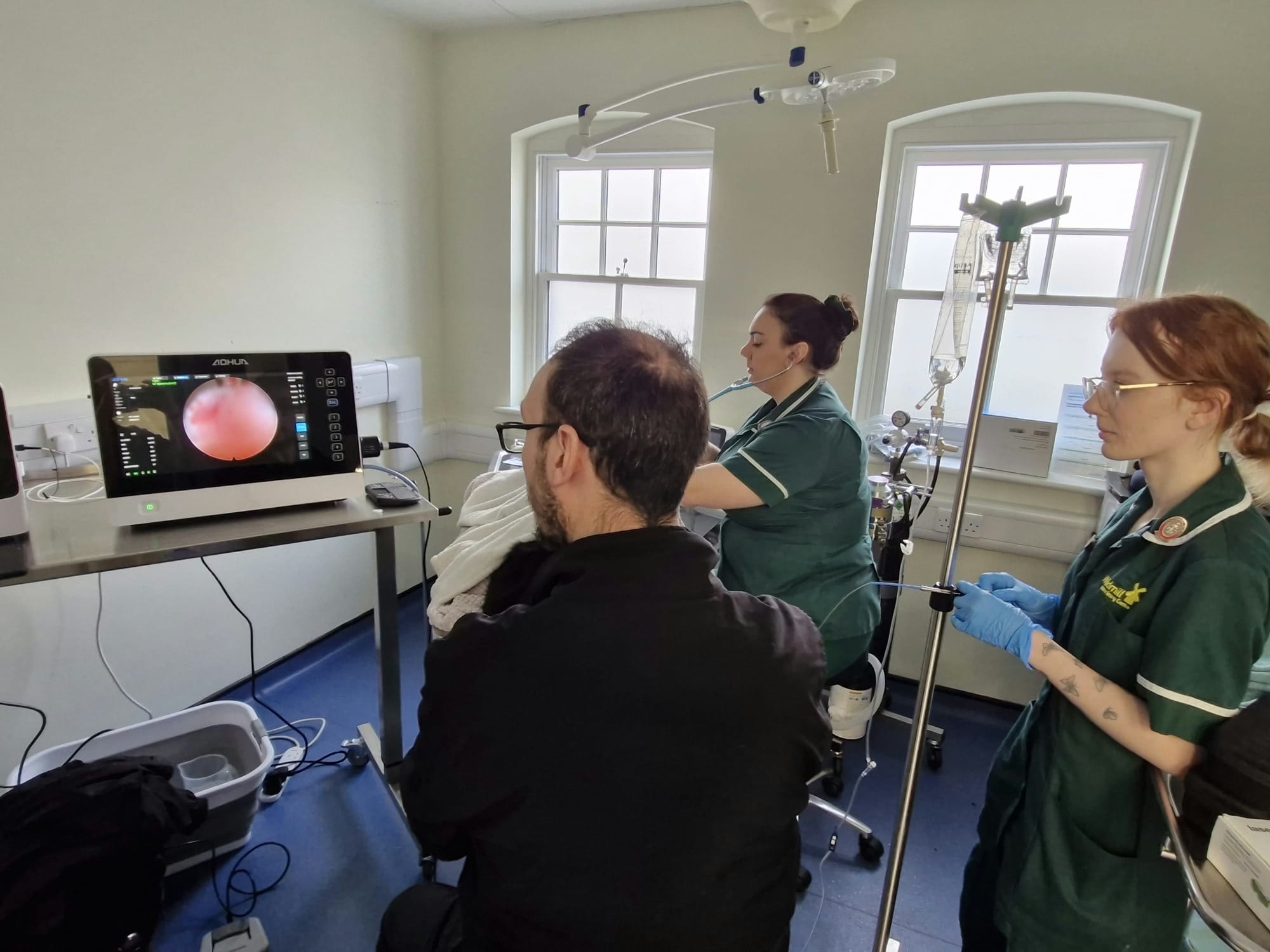
This is a veterinary surgeon who has undergone at least a 3-5 year specialist training programme in a specific area. We do have peripatetic vets who come into the practice to provide this service, or we can refer your pet to a specialist centre.
When would a referral vet be suggested?
When your pet is ill, you can trust us to provide the best care for your pet, however for some more complicated cases, we may suggest referring them to a referral vet to benefit from the best diagnosis and treatment the profession has to offer.
If we feel your pet would benefit from a referral, we will discuss this with you and give you all the information you need to make a fully informed decision. It’s worth remembering that you have a choice about who you are referred to, so whilst we will be able to make recommendations, you can research who to entrust your pet to, to make sure they’re in the best hands. We can then arrange an initial appointment and provide any relevant case notes to the referral vet.
How much does it cost to see a referral vet?
Referral services do tend to be more costly than other veterinary work. This is largely because the cases treated are more complex and time consuming, often requiring advanced expertise and the use of expensive equipment. All veterinary surgeons are happy to discuss costs and provide an estimate of the fees involved before starting any treatment, so that you can make the best decision for you and your pet. Insurance policies and level of cover varies, so it is always worth checking this prior to undertaking any treatment.