
Parasites
Fleas
Prevention is easier than treatment where fleas are concerned, as the flea you see is a small representation of a much larger problem. Equally, we do not want to over treat with anti-parasiticides so we recommend talking it through with your vet or vet nurse, so we formulate a bespoke plan for your individual pet.
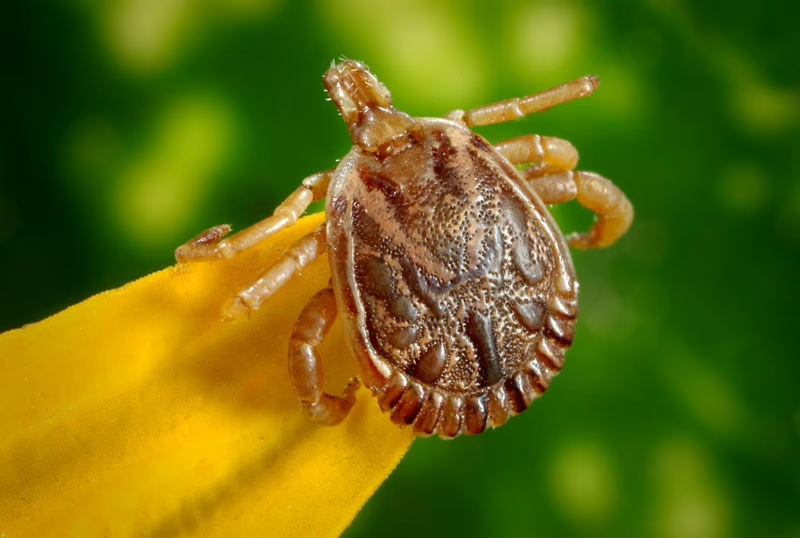
Ticks
Never pull off a tick; you may leave its head under the skin, which could cause an infection. We advise using a recommended tick remover to gently and safely ease the tick away. This can be also done in an appointment with our nursing team. You can also use preventative treatment, which kill ticks upon attachment.
Worms
Hopefully your puppy will have received at least one worming treatment from the breeder and it should continue to be treated monthly until a year of age. Thereafter, for the health of the dog and members of the family, your dog should receive routine worming treatments; the frequency of which will depend on his or her lifestyle, whether it scavenges, and if you have young children in the family etc. Use ParassessTM, a parasite risk checker to get a personalised report for your dog, then share it with us for the best parasite control advice.
Kittens should be wormed monthly until approximately six months of age and thereafter the frequency of which will depend on their lifestyle.
Our qualified staff will be happy to advise you of the best treatment for your pet.